
About SnakeSight
SnakeSight is an AI-powered Philippine snake identification system designed for medical professionals, toxicologists, and emergency responders. The core model, AttenDenseNet, is a DenseNet architecture enhanced with a Convolutional Block Attention Module (CBAM) to improve clinically useful feature focus.
The current deployment scope includes fourteen terrestrial species: six medically important venomous species and eight non-venomous look-alikes commonly misidentified during first-contact assessments.
Safety Limitation: SnakeSight is decision-support only and must not replace expert diagnosis. Always prioritize emergency medical protocols, local wildlife authorities, and clinical judgment, especially when predictions are uncertain or species may be out of scope.
How to Use
SnakeSight is designed for fast, structured use during field assessment and clinical intake, where early species identification can accelerate first-aid triage and antivenom pathway decisions.
Upload an Image
Click on the upload area or drag and drop an image of the snake. The system accepts PNG, JPG, or JPEG formats. For best results, use a clear, well-lit image showing as much of the snake as possible.
Analyze the Image
After uploading, click the "Classify Snake" button to begin the analysis. The system will process the image using an AI model specifically trained on Philippine snake species.
Review Results
- Scientific name
- Family name
- Venomous status (venomous or non-venomous)
- Confidence score of the prediction
- Alternative possible species with their respective confidence scores
- Brief descriptions of each identified species
Note: The quality of the image significantly affects the accuracy of the classification. When possible, provide clear images that show distinctive features of the snake.
Species in Scope
The system is trained to classify the following fourteen Philippine snake species. These include six venomous species and eight non-venomous look-alikes selected based on their morphological similarities and geographic overlap.
Venomous Species
Philippine Cobra
Naja philippinensis
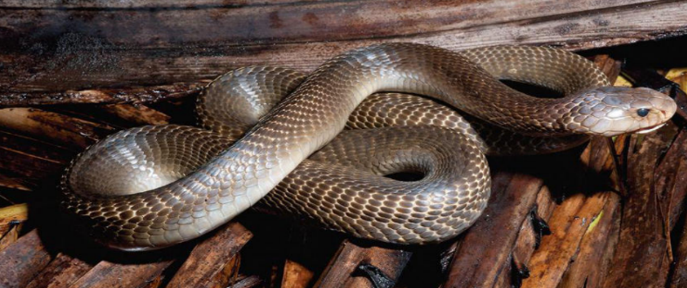
Belongs to the genus Naja (family Elapidae). Characterized by dorsal scales arranged in 21-23 longitudinal rows at midbody with black or dark brown dorsal coloration.
Samar Cobra
Naja samarensis
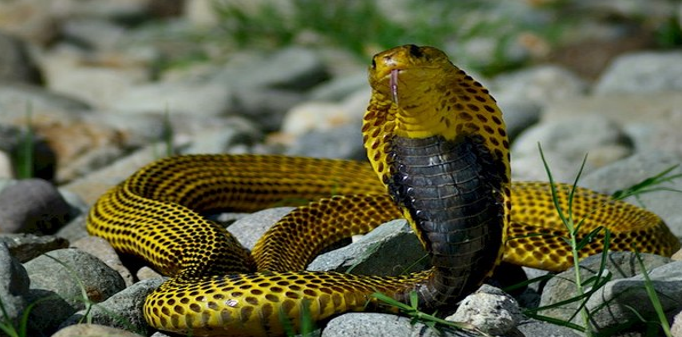
Features light-yellow ventral scales anteriorly followed by a black band that fades posteriorly. Belongs to genus Naja (family Elapidae).
Equatorial Cobra
Naja sumatrana
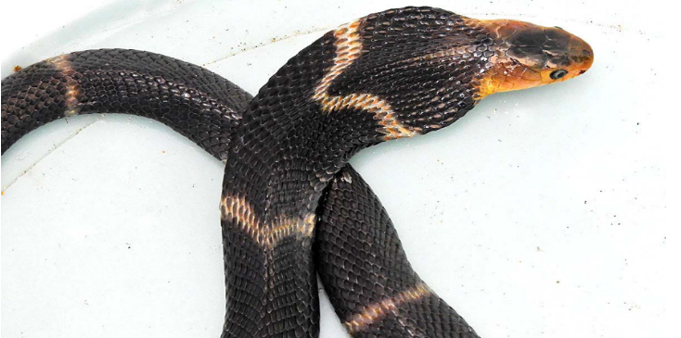
Dorsal scales in 17–25 longitudinal rows at midbody. Postnasal scale vertically elongate, separated/narrowly contacting prefrontal scale. Lacks anterior black ventral band.
Philippine Pit Viper
Trimeresurus flavomaculatus
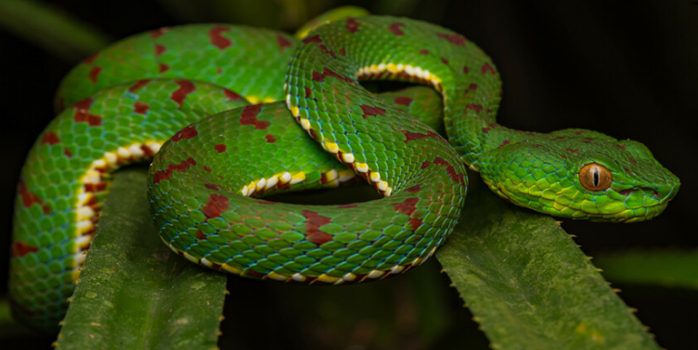
A venomous pit viper species endemic to the Philippines, characterized by its green coloration with yellow or white spots along the body.
North Philippine Temple Pit Viper
Tropidolaemus subannulatus
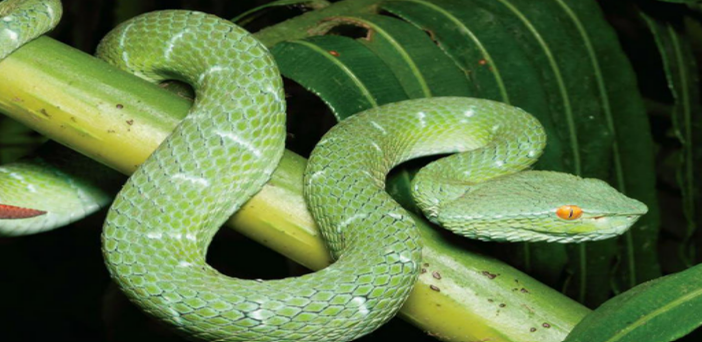
A venomous pit viper found in the northern regions of the Philippines, typically with distinctive banded patterns.
South Philippine Temple Pit Viper
Tropidolaemus philippensis
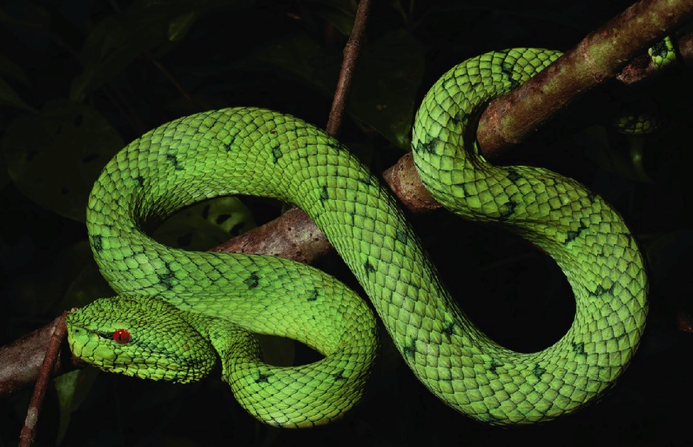
Endemic to southern Philippines, this pit viper has a triangular head and heat-sensing pits between the eyes and nostrils.
Non-venomous Species
Philippine Rat Snake
Coelognathus erythrurus
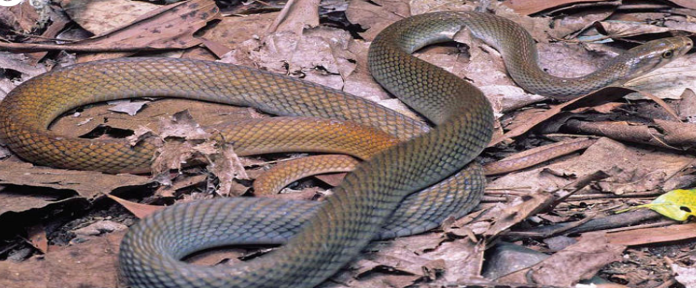
Often visually confused with the Philippine Cobra due to similarities in coloration and body shape. Adults have a tail lighter than the posterior body.
Variable Reed Snake
Calamaria lumbricoidea
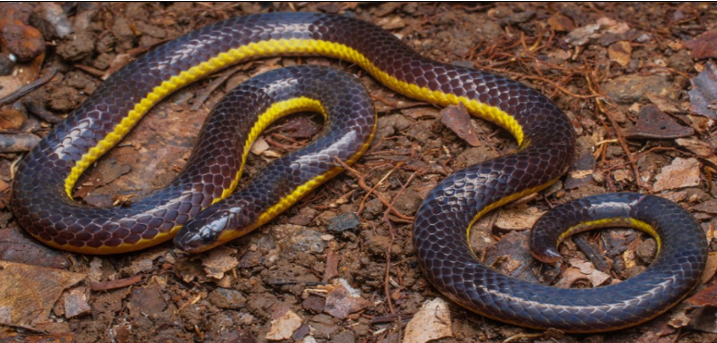
A small, slender snake with smooth scales and a blunt head, often confused with young venomous snakes.
Common Wolf Snake
Lycodon capucinus
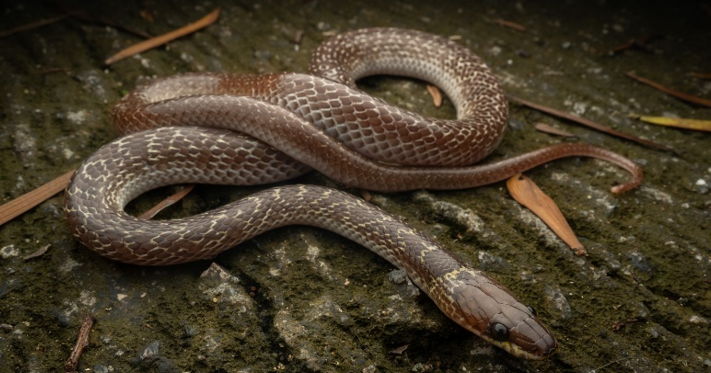
Distinguished by its enlarged anterior maxillary teeth and often displays a pattern that may be confused with cobras.
Philippine Shrub Snake
Oxyrhabdium modestum
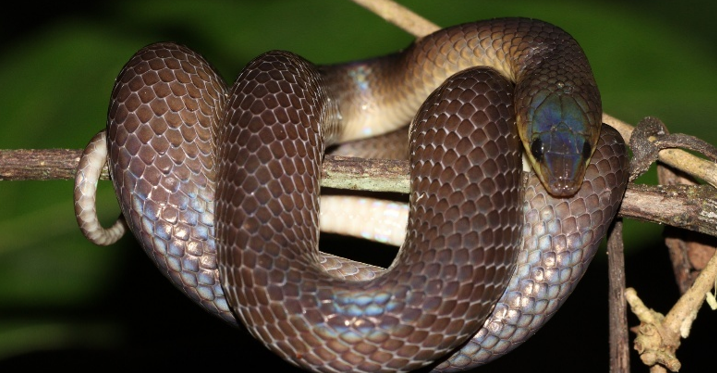
An endemic snake species with a slender body and uniform coloration, often mistaken for young cobras.
Keel-scaled Rat Snake
Ptyas carinata
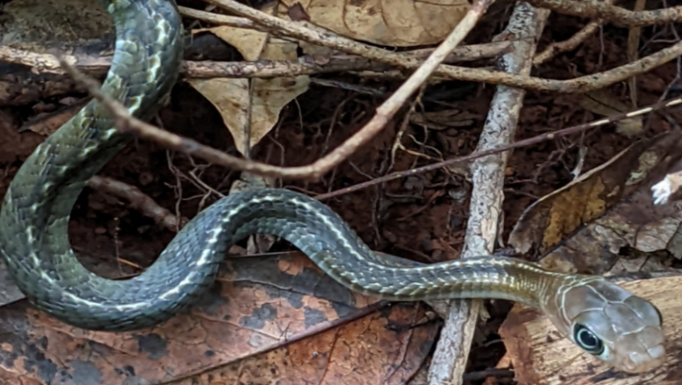
Features distinctive keeled scales and can grow to significant lengths, sometimes confused with cobras when threatened.
Asian Sunbeam Snake
Xenopeltis unicolor
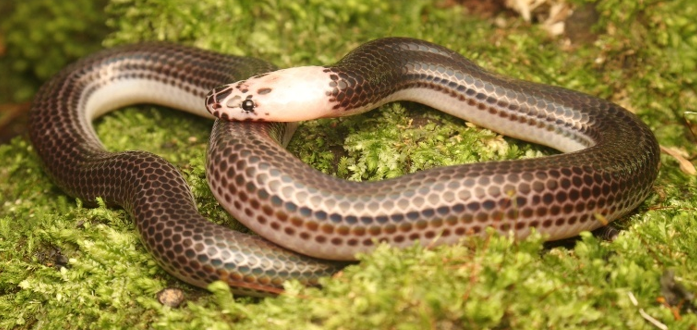
Known for its iridescent scales that reflect rainbow colors in sunlight, with a smooth, glossy appearance.
Red-tailed Green Ratsnake
Gonyosoma oxycephalum
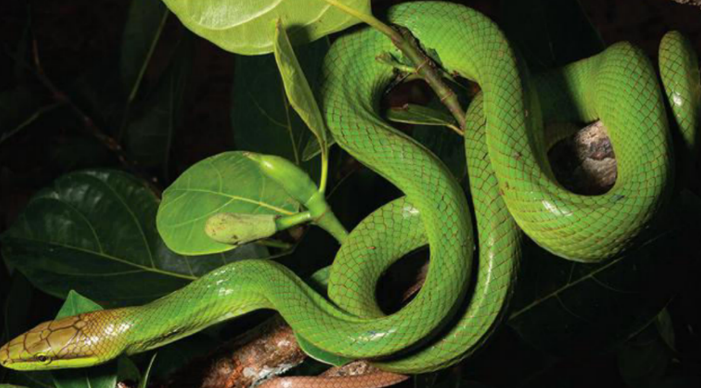
A bright green snake with a distinctive reddish tail, sometimes mistaken for the green pit vipers.
Maren's Bronzeback
Dendrelaphis marenae
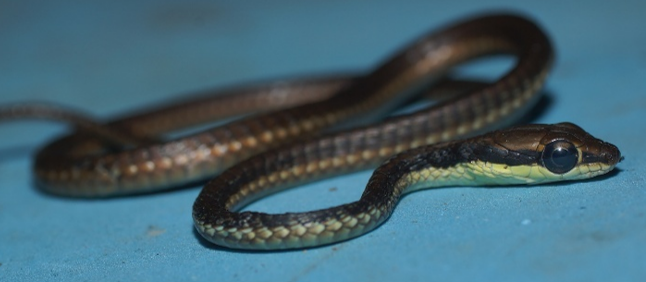
A slender tree snake with a bronze-colored back and bluish flanks, sometimes confused with pit vipers due to its coloration.
Limitations
SnakeSight has important safety and deployment limitations to account for before operational use:
- Limited Species: The system can only identify the fourteen snake species included in the validated deployment dataset. It cannot reliably classify other Philippine snake species or snakes from other regions.
- Not for Marine Snakes: The system does not include aquatic or marine snake species in its classification scope.
- Image Dependence: Predictions degrade with blurry, low-light, obstructed, or distant photos.
- Clinical Responsibility: This is not a standalone diagnostic tool and must not override emergency care pathways.